Presentation / History

tradition and quality
Once upon a time there was ...
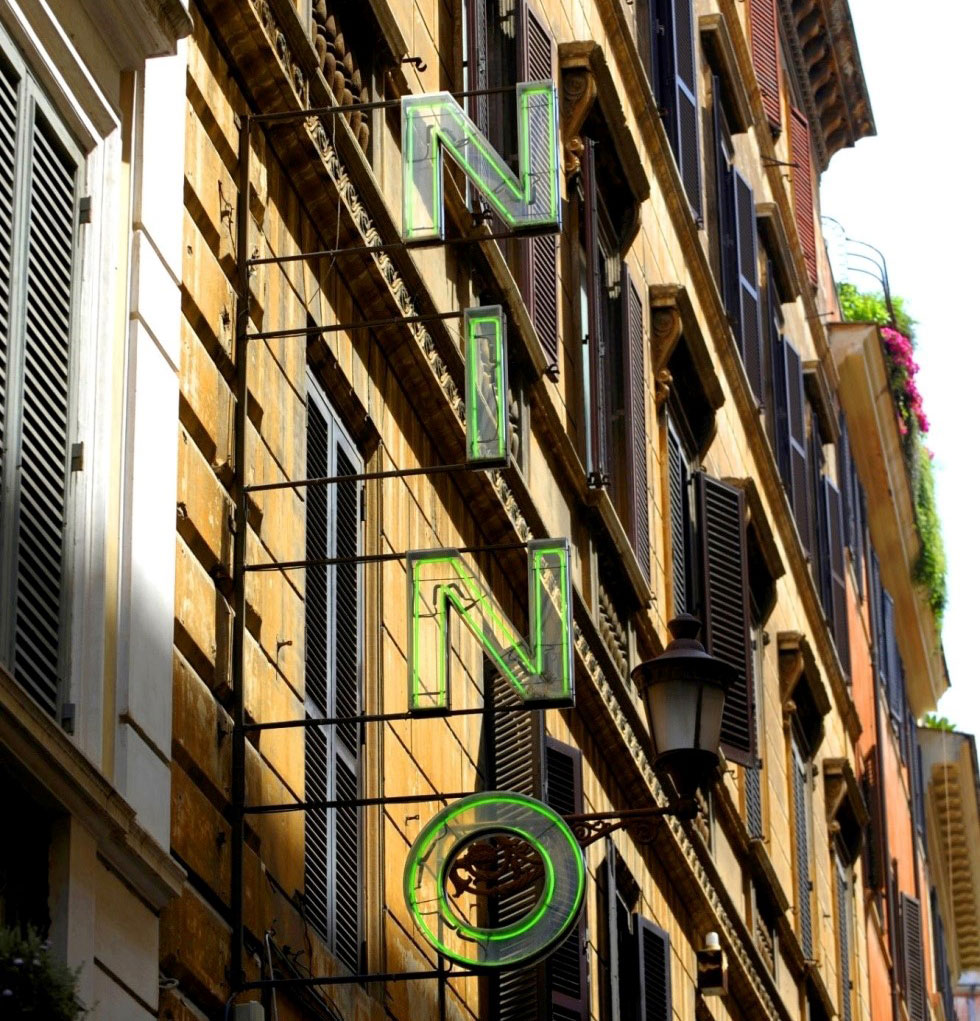
… and there still is, Ristorante NiNo in via Borgognona.
Just a few steps from Piazza di Spagna and more than 80 years since it was first established, it is not simply the history of a highly renowned restaurant, but the story of a family that has kept the Italian culinary excellence alive over the years, with passion, dedication and sacrifice. Or should we say, the Italian culinary art. A highly complex art of handed down, traditional know-how, a custodian of recipes and secrets of which Ristorante Nino is a fine front runner.
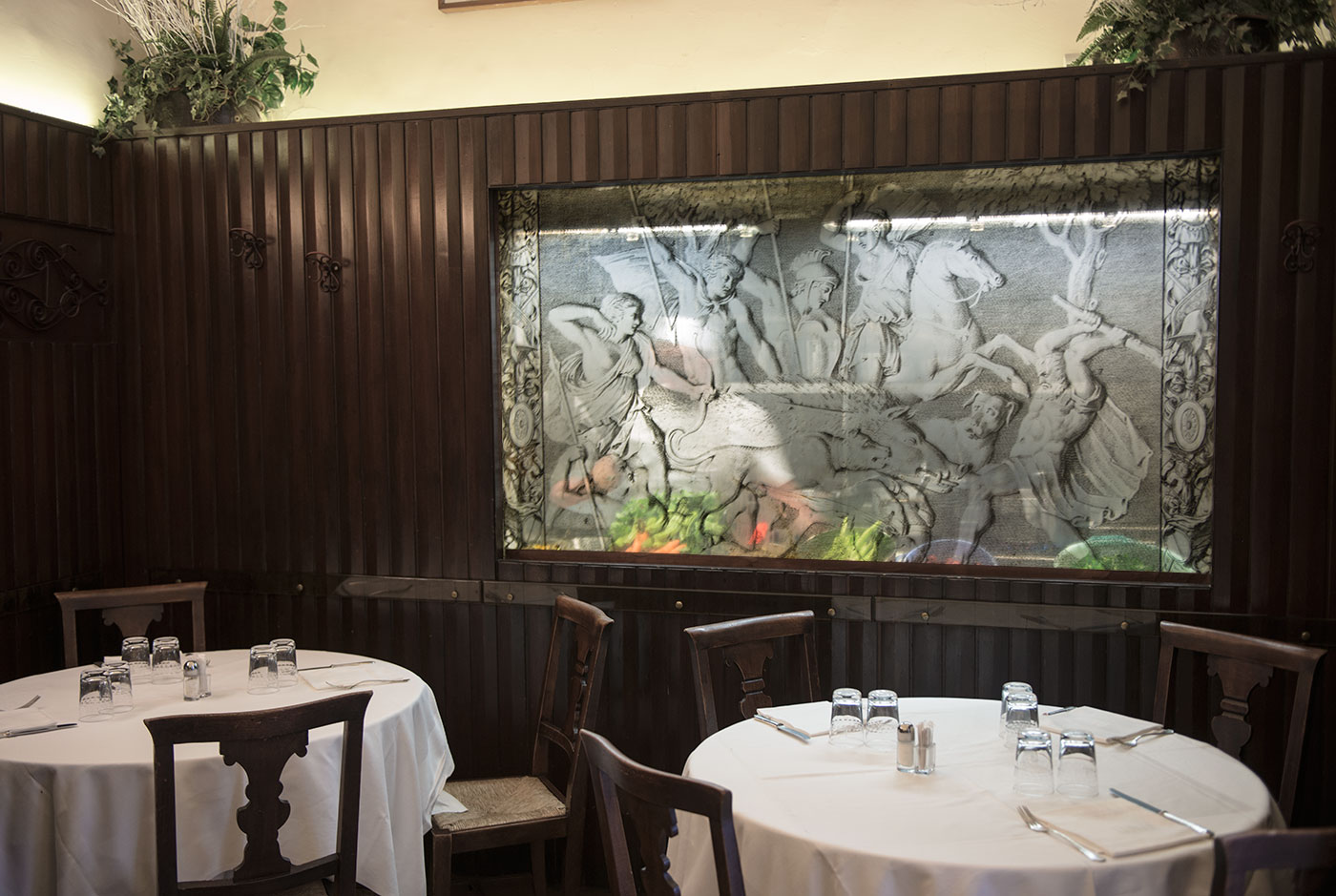
The restaurant furnishings and menu tell the story of a part of unified Italy and several centuries of culinary culture: suffice to say that one of the very first culinary texts, defined a “Cookbook”, dating back to the first half of the 14th century, describes the preparation of beans in the Tuscan native dialect. This showcases how food has been an integral part of Italian culture for centuries.
SHORT HISTORY OF THE RESTAURANT
It all started when...
Gioacchino Guarnacci, NiNo for short, was born in Castelfranco di Sopra, in a beautiful village in Tuscany, and immediately after the First World War started looking for a job; after trying his hand at various trades which took him all over Italy, he arrived in Rome, with his brother, Mario, where they worked as employees in the restaurant industry.
They then decided to open their own restaurant, initially in via Rasella and a few years later in via Borgognona. Nino and Mario made the perfect team, the former more creative and the latter with a flair for business and management.
With talent and determination, they soon achieved success. The quality of the traditional Tuscan dishes, the style of the restaurant and Nino’s creativity brought it prestige and renown, making it a point of reference for actors, artists and other prominent figures of the time. Since 1983, Maria, together with her brothers Egidio and Anna, has preserved the inspiration of the restaurant’s founders with natural ease and passion; today, the baton is in the hands of the new generations and a trusted staff, who with the same passion carry on Nino’s tradition.
To find out more: the History of Ristorante Nino
Some specialties
a selection of dishes

- Ribollita
A winter soup typical of rural traditions in the Florentine area: black cabbage is the main undisputed ingredient.
- Cannelloni alla Nino
Egg pasta rolls filled with superior quality beef enriched with a meat ragout and a light béchamel sauce.
- Bistecca di costa all'arrabbiata
Sliced rib-eye steak tenderised and then cooked for just a couple of minutes in a boiling frying pan with oil, chilli and garlic to enhance the flavour of the meat even further. Historic dish, available all year round.
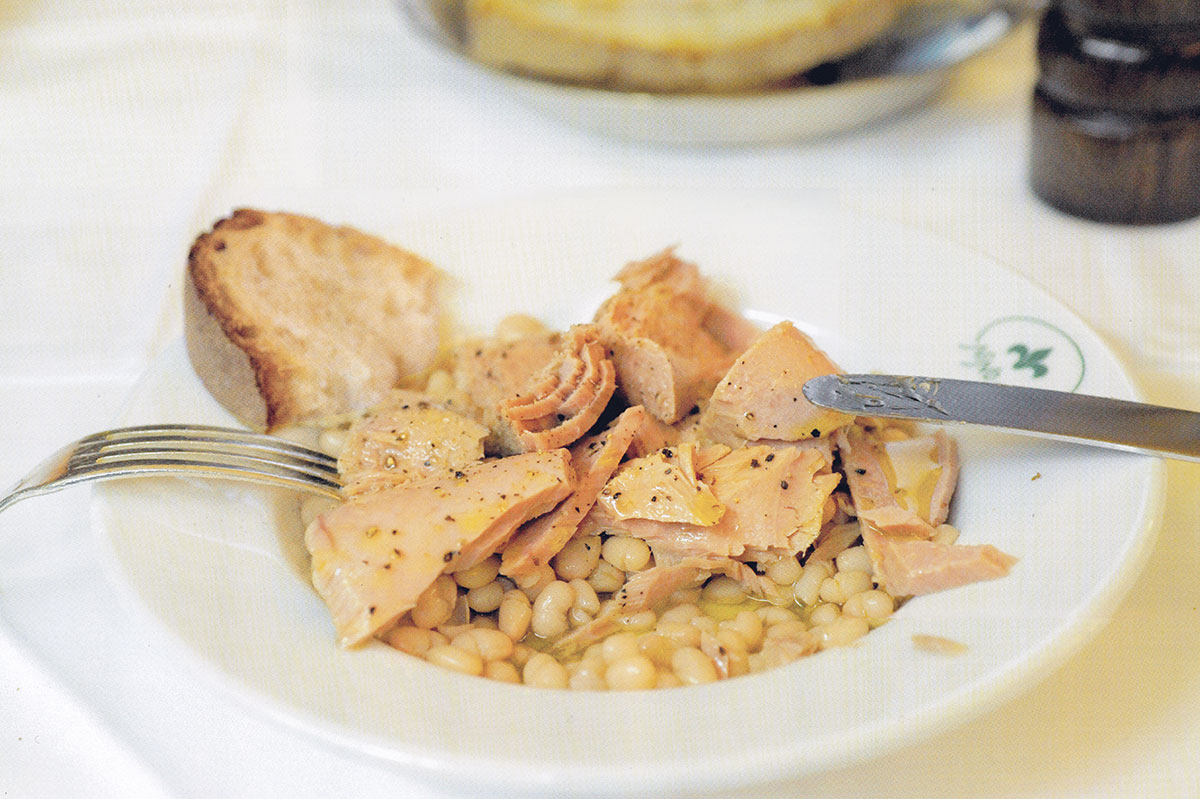
- Fagioli Al Fiasco
Tuscan cannellini beans slow cooked in a flask (in continuous movement) and seasoned with plenty of Tuscan extra virgin olive oil and freshly ground black pepper.
- Cervello Fritto o al Burro
(Fried or Butter seasoned Brains)
A matter of ultimate freshness and quality. This dish draws many gourmet enthusiasts to Nino’s as they know just how rare it is to find. - Petto di Pollo al Curry con Riso Pilaf
(Chicken Breast Curry with Pilaf Rice)
You will be astonished by the quality of the mix of Indian spices, blended by the expert hands of an Italian chef. - Ravioli di Fonduta e Tartufo Bianco
The fragrance and “intensity” of the home-made filling made with cheese fondue and white truffle, bring a spark of warmth to cold winter days.
- Castagnaccio
Chestnut flour, pine nuts, walnuts and rosemary are the star ingredients of this traditional humble Tuscan cake.
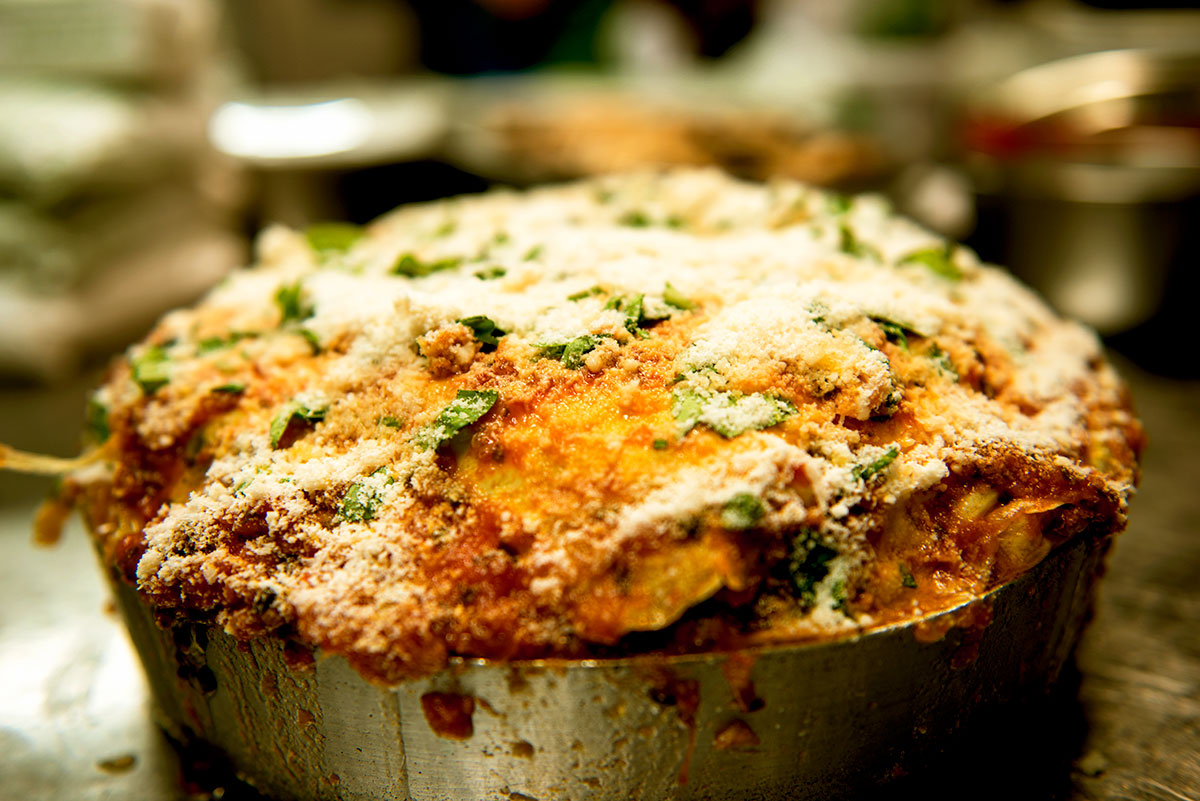
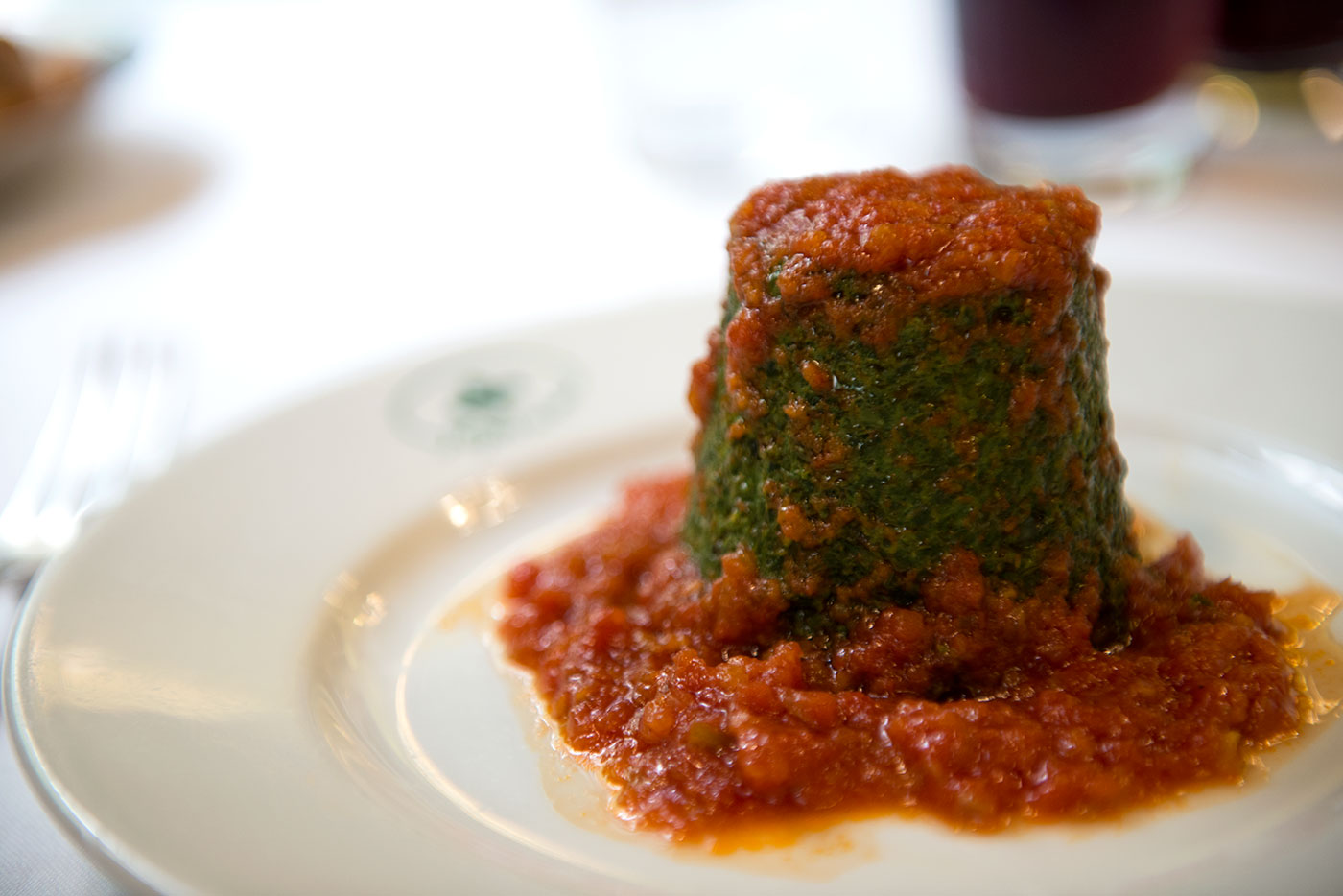
Timballo di zucchine
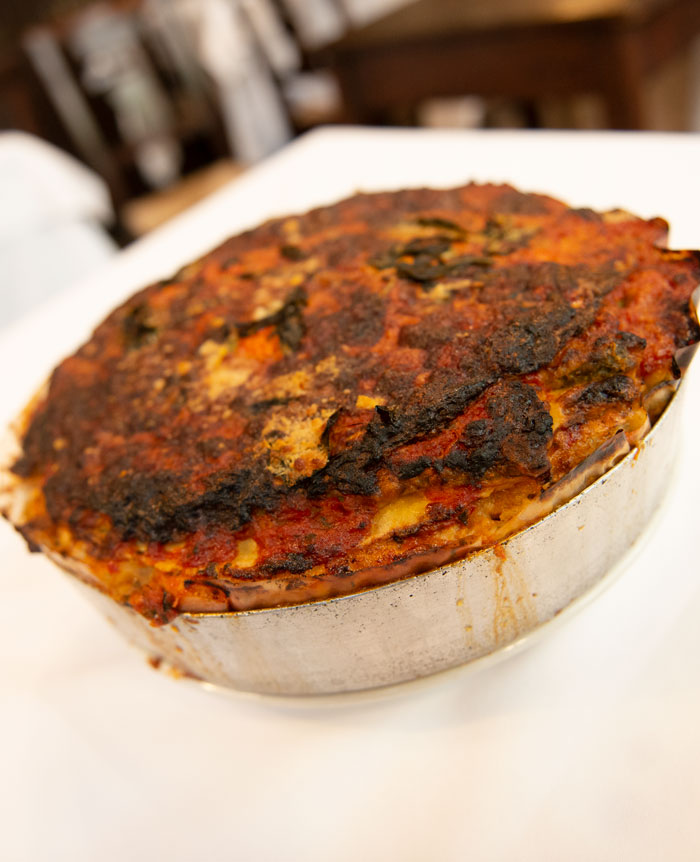
A triumph of Mediterranean summer flavors:: omelettes, zucchini, fresh tomato sauce, and plenty of basil.o
The Cuisine / Photo Gallery

The Cuisine
NiNo's cooking represents Tuscan traditions naturalised in Rome: the Tuscan specialties (steak, salted cod) blend with exquisite harmony with those of a typical Roman cuisine (artichokes, suckling lamb).
Seasonal dishes alternate alongside many specialities served all year long.
The various vegetable dishes (Sformatino di spinaci, Carciofi alla romana, Timballo di zucchine) are no less flavoursome than the meat dishes (Ascè, Bistecca alla fiorentina, Costa all'arrabbiata) renowned among the most demanding gourmet clientele.
To find out more: The Menu and Waiting Staff
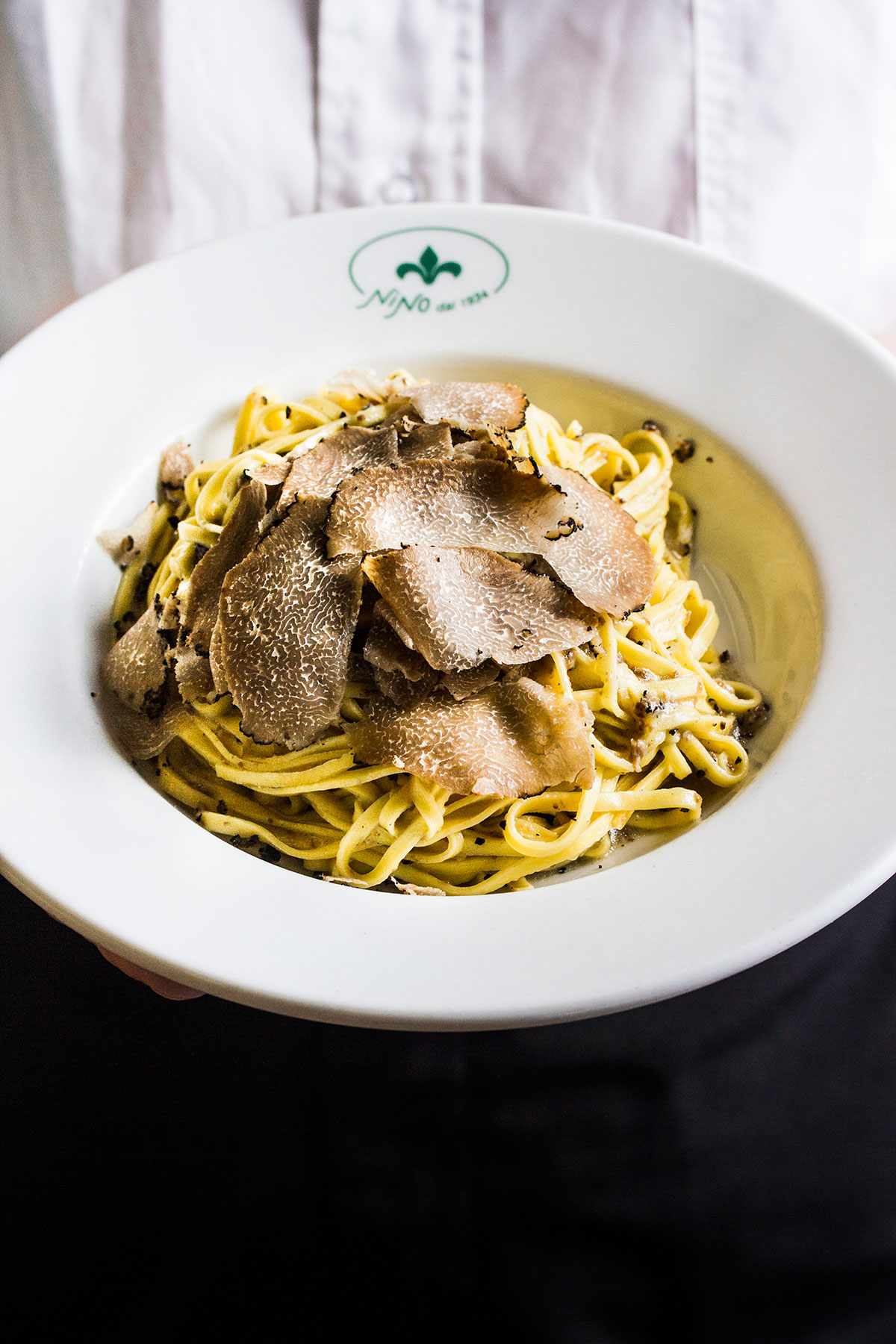
Tagliolini al Tartufo
Tortino di Spinaci
Fagioli e Tonno
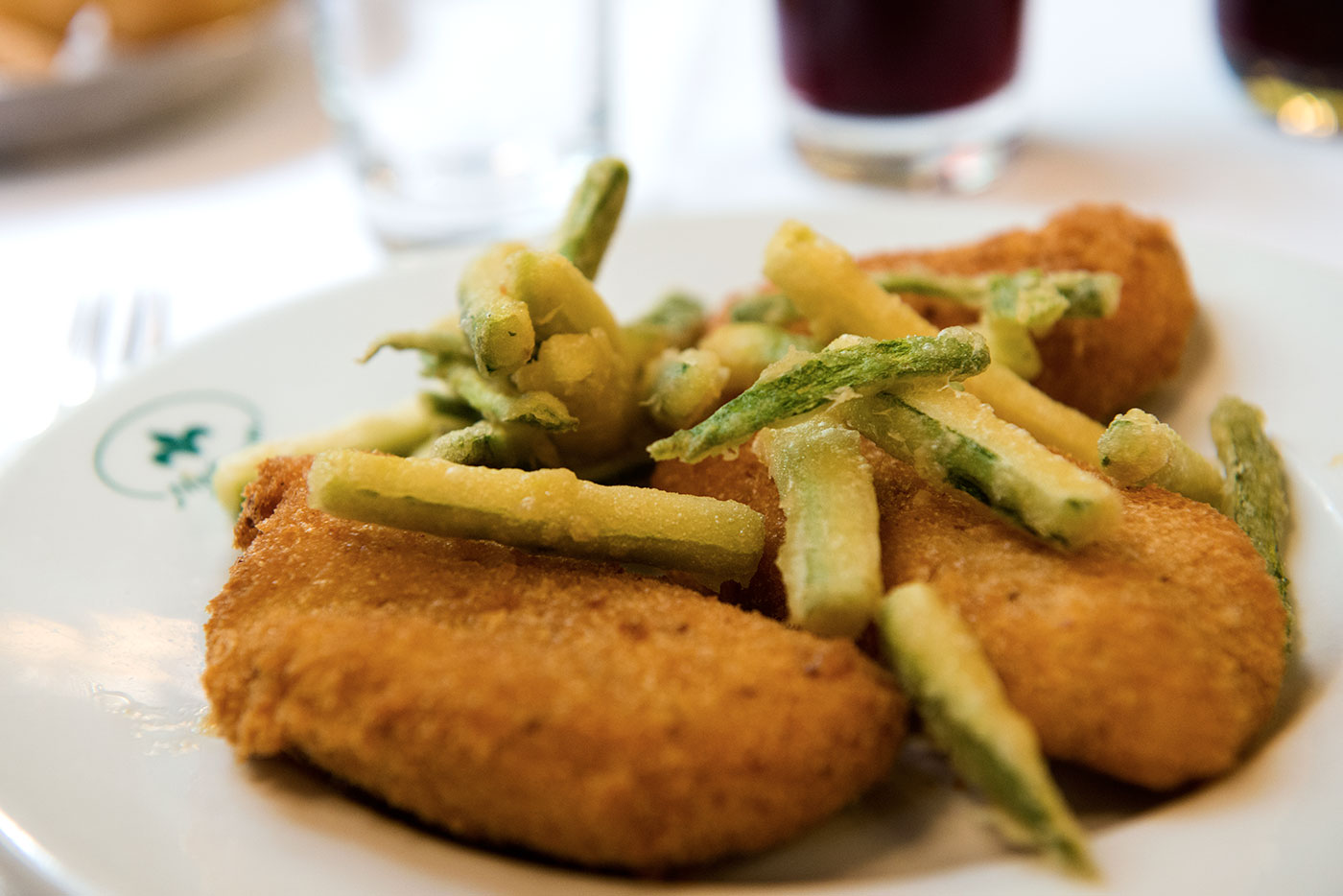
Cuscinetti di Formaggio Fritti con Zucchine
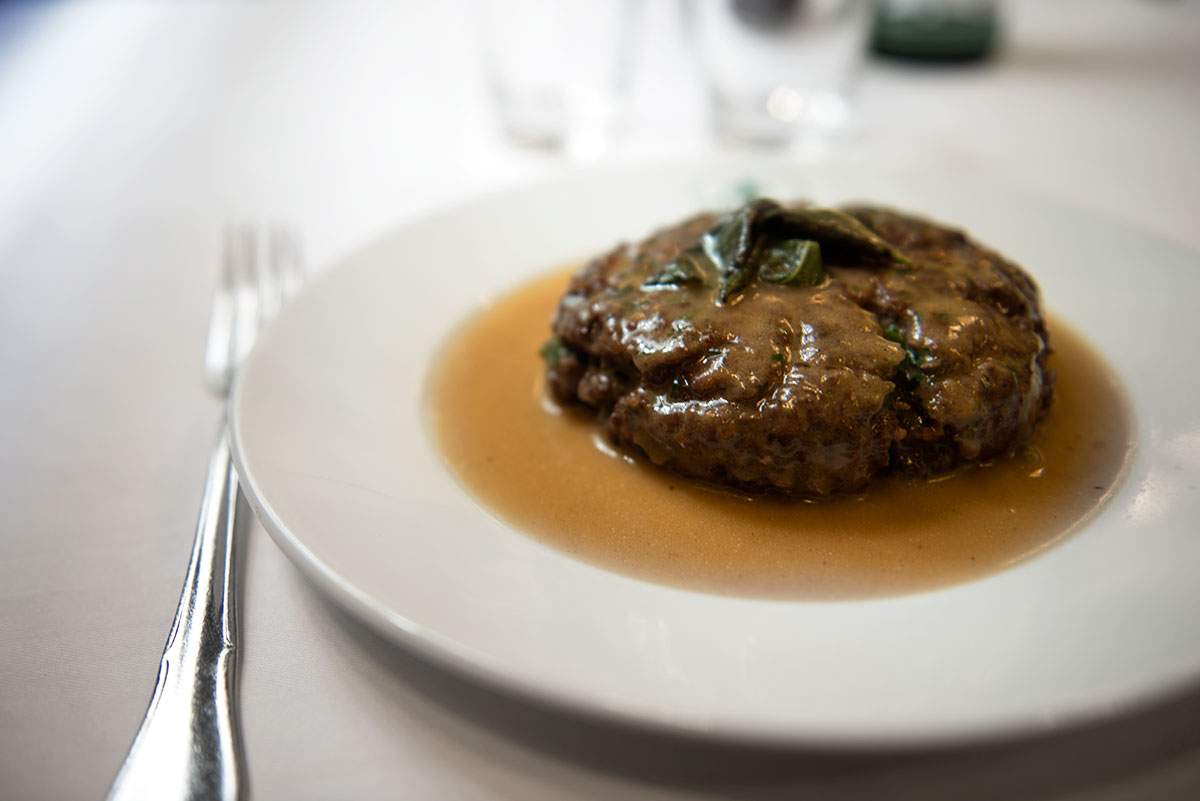
Ascé Burro e Salvia
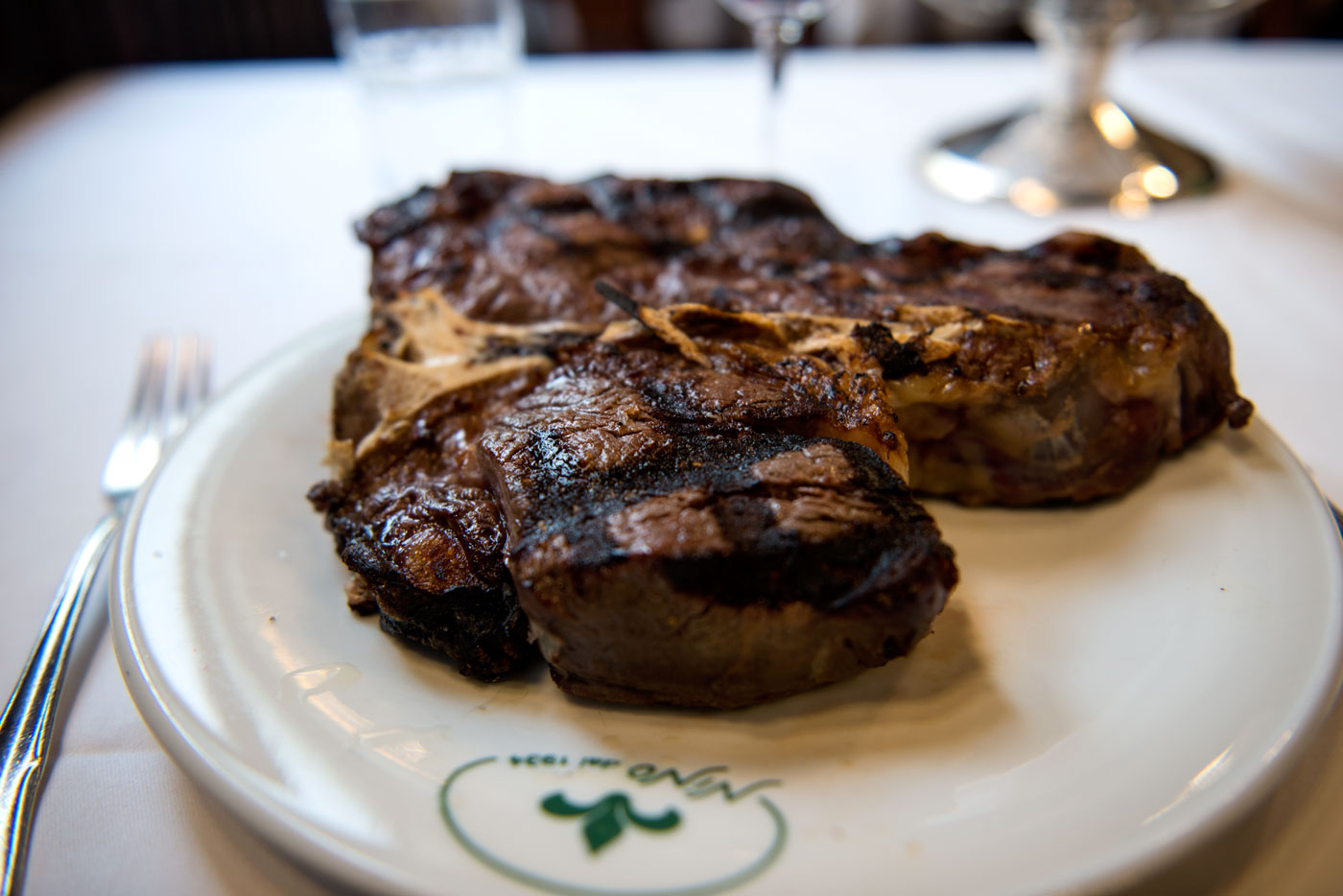
Bistecca alla Fiorentina
Presentazione / La Storia
tradition and quality
Once upon a time there was ...
… and there still is, Ristorante NiNo in via Borgognona.
Just a few steps from Piazza di Spagna and more than 80 years since it was first established, it is not simply the history of a highly renowned restaurant, but the story of a family that has kept the Italian culinary excellence alive over the years, with passion, dedication and sacrifice. Or should we say, the Italian culinary art. A highly complex art of handed down, traditional know-how, a custodian of recipes and secrets of which Ristorante Nino is a fine front runner.
The restaurant furnishings and menu tell the story of a part of unified Italy and several centuries of culinary culture: suffice to say that one of the very first culinary texts, defined a “Cookbook”, dating back to the first half of the 14th century, describes the preparation of beans in the Tuscan native dialect. This showcases how food has been an integral part of Italian culture for centuries.
SHORT HISTORY OF THE RESTAURANT
It all started when...
Gioacchino Guarnacci, NiNo for short, was born in Castelfranco di Sopra, in a beautiful village in Tuscany, and immediately after the First World War started looking for a job; after trying his hand at various trades which took him all over Italy, he arrived in Rome, with his brother, Mario, where they worked as employees in the restaurant industry.
They then decided to open their own restaurant, initially in via Rasella and a few years later in via Borgognona. Nino and Mario made the perfect team, the former more creative and the latter with a flair for business and management.
With talent and determination, they soon achieved success. The quality of the traditional Tuscan dishes, the style of the restaurant and Nino’s creativity brought it prestige and renown, making it a point of reference for actors, artists and other prominent figures of the time. Since 1983, Maria, together with her brothers Egidio and Anna, has preserved the inspiration of the restaurant’s founders with natural ease and passion; today, the baton is in the hands of the new generations and a trusted staff, who with the same passion carry on Nino’s tradition.
To find out more: the History of Ristorante Nino